Stroke, paralysis & neuro rehabilitation
लकवा · पैरालिसिस · नसों की समस्या
After a stroke, nerve injury or other neurological condition, structured rehab works step by step on movement, balance and daily independence — with the family involved.
Neurological rehabilitation helps people relearn movement and daily activities after the brain, spinal cord or nerves are affected. The goals are practical: sitting and standing safely, walking, using the hand, and doing more for yourself at home.
Recovery after a stroke is different for every person and can continue over months. Regular, guided practice is a key part of rehab, so we teach family members and carers how to help with exercises at home.
What we commonly see
- Stroke / paralysis (lakwa)Weakness on one side, difficulty walking, using the hand or balancing.
- Bell's palsySudden weakness on one side of the face — facial exercises alongside your doctor's treatment.
- Balance & walking problemsUnsteadiness or fear of falling, including in older adults.
- Nerve injuriesWeakness or reduced feeling after a nerve injury, as advised by your doctor.
- Parkinson's and other conditionsExercise to support walking, balance and daily movement.
Signs physiotherapy may help
- Weakness on one side after a stroke
- Difficulty standing up, walking or climbing stairs
- Poor balance or repeated falls
- Stiffness or tightness in the arm or leg
- Family needs guidance on how to help at home
See a doctor first if you have
- Sudden face drooping, arm weakness or slurred speech — this may be a stroke. Call emergency services (112) immediately
- Sudden severe headache, confusion or loss of consciousness
- New weakness that is getting worse quickly
If any of these apply, please get medical advice before starting physiotherapy. We are happy to work alongside your doctor.
Your plan, step by step
- 1
Neurological assessment
We assess strength, tone, sensation, balance, walking and what the person can do day to day.
- 2
Goal setting
Clear, realistic goals agreed with the patient and family.
- 3
Task-based training
Practising real activities — sitting, standing, walking, reaching — with graded support.
- 4
Home programme
Exercises and safety tips for family and carers to continue at home.
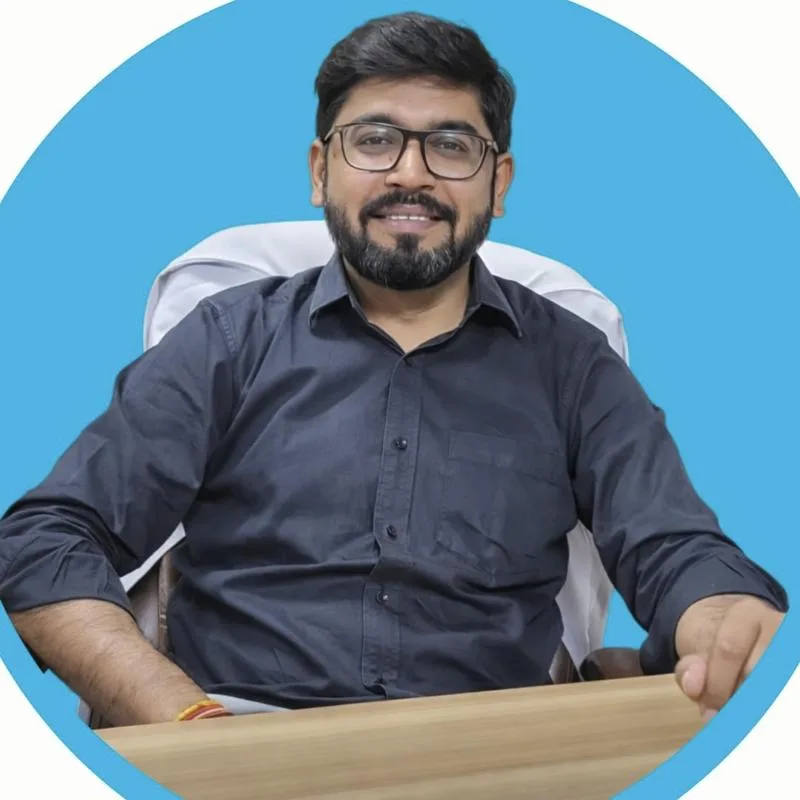
Dr. Prashant Giri (PT)
Every plan at Nirogyam starts with an assessment by Dr. Prashant Giri (PT). You will get a clear explanation of what is going on, what the treatment involves and what you can do at home.
More about the doctor →Good to know
When should physiotherapy start after a stroke?
Rehab often begins as soon as the treating doctor says it is safe. If your family member has been discharged, bring the discharge summary and we will plan from there.
Can you guarantee full recovery after paralysis?
No one can honestly guarantee that. Recovery varies a lot between people. What we can do is give structured, regular rehab and clear goals, and keep you informed about progress.
Can the patient come to the clinic in a wheelchair?
Please call us before the first visit so we can tell you about access at the clinic and plan the session.
Do you treat Bell's palsy?
Yes, alongside the medical treatment prescribed by your doctor. Facial exercises and guidance can be part of the recovery plan.
Visit us at Eicher Chowk
One clinic, easy to reach from NIT and nearby sectors.
Address
Eicher Chowk, Old Press Colony, Press Colony, New Industrial Township, Faridabad, Haryana 121005
Near Canara Bank, Eicher Chowk (also called Saran Chowk)
Timings
Open every day · 9 AM–1 PM & 2–9 PM
Phone
Don't let pain decide
your day.
Book a stroke & neuro rehab assessment at Eicher Chowk, NIT Faridabad.